The Importance of Lubrication in Gearbox Rebuilding for Longevity
Understanding Gearbox Rebuilding
The Gearbox Rebuilding Process
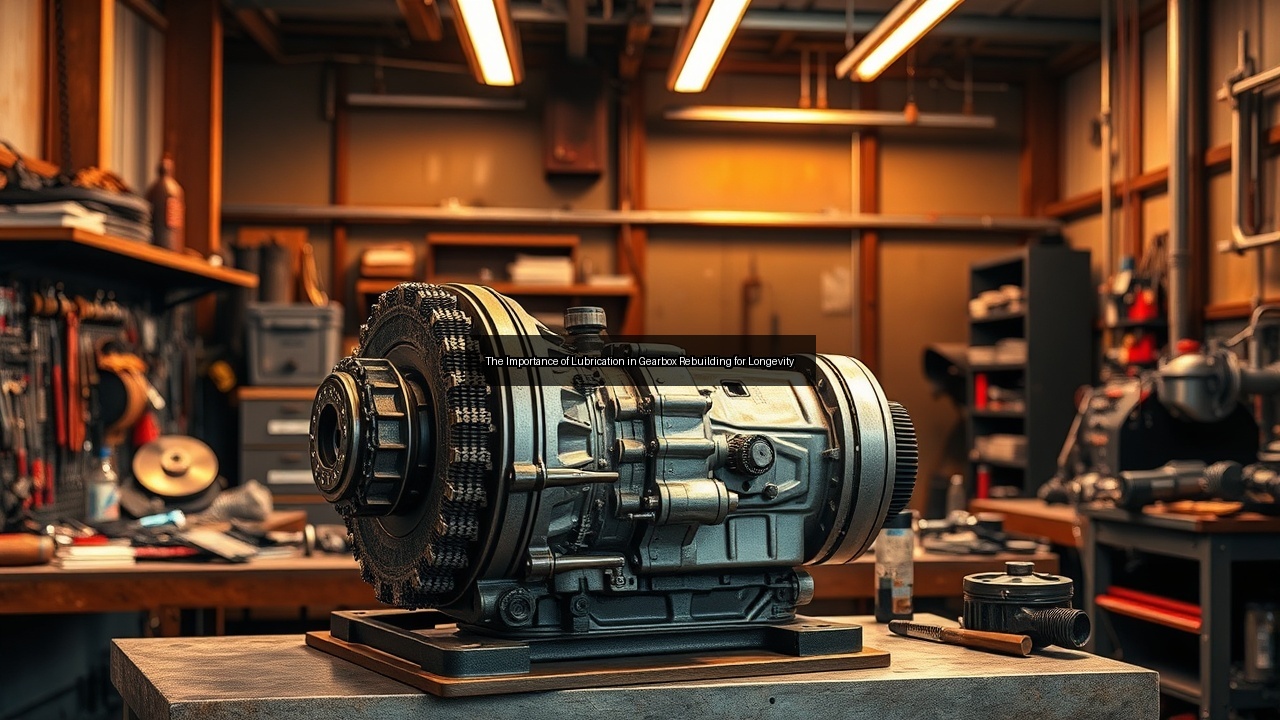
Gearbox rebuild restores a transmission to peak performance through systematic disassembly, cleaning, and component replacement. Technicians inspect every gear, shaft, and bearing before reassembling the unit with fresh seals and gaskets. The process demands precision alignment to eliminate misalignment that creates excessive forces during operation. Lubrication plays a central role here because fresh oil or grease protects newly installed parts from immediate scoring. Companies that specialize in gearbox rebuild services often document each step to track root cause issues that led to the original failure. This methodical approach reduces future downtime and extends service life across industrial reduction gearboxes and automotive applications alike.
Common Types of Gearboxes
Helical, planetary, worm, and bevel designs dominate modern gearing applications. Each type handles different torque loads and speed ratios, yet all rely on proper lubrication to maintain efficiency. Reduction gearbox units in conveyors demand heavy-duty oils that resist shear under constant load, while compact planetary gearboxes in wind turbines require synthetic fluids for extreme temperature swings. Gear box rebuild projects frequently upgrade older cast-iron housings with improved sealing to prevent leaks. Understanding these distinctions helps repair teams select compatible lubricants that match the original design intent and prevent premature wear on critical contact surfaces.
Key Components in Gearbox Construction
Shafts, bearings, gears, and housings form the core of any gearbox. Heat-treated gears resist pitting only when a consistent lubrication film separates meshing teeth. Bearings demand clean oil to avoid abrasive particles that accelerate raceway damage. During a gearbox rebuild, technicians often replace worn synchro rings and thrust washers while verifying gear backlash measurements. Reverse engineering becomes necessary when original parts are obsolete, allowing a company to manufacture upgraded components that improve load distribution. Proper lubrication at every interface directly influences how these parts interact under operational forces and determines overall longevity.
The Role of Lubrication in Gearbox Longevity
Types of Lubricants for Gearboxes
Mineral oils, synthetic polyalphaolefins, and polyglycol fluids each offer distinct advantages for gearbox repair services. Extreme-pressure additives protect hypoid gears in automotive transmissions, while food-grade lubricants suit reduction gearboxes in processing plants. Viscosity selection depends on operating temperature and speed; too thin and the film breaks down, too thick and efficiency drops. Gearbox rebuild specialists routinely analyze original equipment manufacturer specifications before recommending replacements. Matching the correct lubricant prevents chemical incompatibility that could degrade seals and create leaks during subsequent operation.
How Lubrication Reduces Wear and Tear
A stable oil film separates gear teeth and bearing rollers, minimizing metal-to-metal contact that generates heat and debris. Contaminant particles suspended in properly filtered lubricant cause far less damage than those embedded in dried grease. During gearbox overhaul, crews flush old fluid to remove metal fines that would otherwise circulate and score new surfaces. Regular lubrication changes interrupt the wear cycle before micro-pitting evolves into macro-failure. This proactive step preserves tooth profiles and maintains designed contact patterns that directly extend service intervals between major repairs.
The Impact of Lubrication on Efficiency
Optimized lubrication lowers frictional losses inside the gear mesh and bearing assemblies, translating into measurable power savings. Reduced churning resistance allows motors to draw less current while delivering the same output torque. Gearbox rebuild projects that include upgraded synthetic lubricants often report efficiency gains of two to four percent. Lower operating temperatures further protect seals and reduce thermal expansion that alters gear center distances. Over time these incremental improvements compound into significant energy reductions and fewer unplanned shutdowns across fleets of industrial gearboxes.
Preventative Maintenance and Inspection Practices
Regular Lubrication Schedules
Establishing fixed intervals for oil sampling and replacement prevents lubricant degradation from reaching critical levels. Many facilities tie gearbox rebuild timing to oil analysis trends that reveal rising iron or copper content. Synthetic fluids often extend change intervals to 8,000 hours when monitored correctly, cutting both material costs and labor hours. Technicians record viscosity, acidity, and particle counts to validate that lubrication remains effective between overhauls. Consistent adherence to these schedules keeps gearing protected and minimizes the frequency of full transmission disassembly.
Inspection Techniques for Gearboxes
Vibration analysis, thermography, and boroscope inspections detect early anomalies before catastrophic failure occurs. Endoscopic views inside the gearcase reveal scoring on tooth flanks that lubrication problems accelerate. During routine repair and maintenance visits, crews check breathers for clogging that allows moisture ingress and accelerates oxidation. Gearbox rebuild teams use these findings to prioritize which units require immediate attention versus continued monitoring. Thorough inspection data also guides lubricant upgrades that address specific contamination sources identified on site.
Identifying Signs of Wear and Potential Failures
Abnormal noise, elevated housing temperatures, and oil discoloration signal developing issues inside gearboxes. Metal particles collected on magnetic drain plugs indicate accelerated wear that proper lubrication would have slowed. Root cause investigations during gearbox rebuild frequently trace these symptoms back to incorrect viscosity or missed change intervals. Early detection allows targeted repairs rather than complete overhauls, preserving capital and reducing production interruptions. Documenting wear patterns also informs future preventative maintenance adjustments that protect similar units across the facility.
Cost Implications of Gearbox Repairs and Overhauls
Comparing Costs of Rebuilding vs. Replacement
Rebuilding typically costs 40 to 60 percent less than purchasing a new unit, especially for large reduction gearboxes with long lead times. Labor and parts for a gearbox rebuild average several thousand dollars, while replacement units plus installation can exceed five figures. Companies weigh these figures against expected remaining service life after overhaul. When lubrication practices have been sound, rebuilt gearboxes often match new-unit reliability at substantially lower capital outlay. Decision matrices that include downtime projections favor rebuilds when critical production schedules cannot accommodate lengthy procurement cycles.
Factors Affecting Repair Costs
Extent of gear damage, availability of replacement bearings, and required machining all influence final invoices. Severely pitted teeth may necessitate reverse engineering and custom gear cutting that adds expense. Brands with proprietary designs sometimes limit access to drawings, forcing additional inspection time. Lubrication-related failures usually produce more contained damage than overload events, keeping costs moderate. Accurate failure analysis before work begins prevents scope creep and helps facilities budget realistically for gearbox repair services.
Warranty Considerations and Manufacturer Policies
Many original equipment warranties require documented lubrication records to remain valid after a gearbox rebuild. Manufacturers often specify approved fluids and change intervals that repair shops must follow. Extended warranties on overhauled units frequently hinge on post-rebuild oil analysis reports that confirm cleanliness targets were met. Facilities that maintain these records avoid claim denials and secure longer coverage periods. Clear communication between the repair company and the brand ensures compliance without unexpected coverage gaps.
Advanced Techniques in Gearbox Rebuilding
The Importance of Failure Analysis
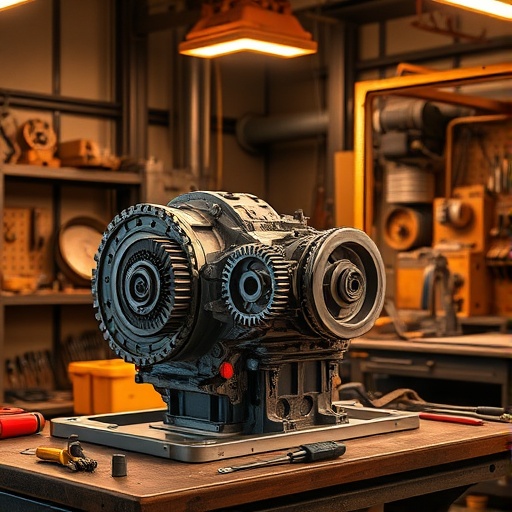
Detailed metallurgical examination and fractography reveal whether lubrication starvation, contamination, or misalignment initiated damage. This intelligence guides corrective actions during gearbox overhaul so the same failure mode does not recur. Teams photograph wear scars and measure hardness deviations to differentiate between fatigue and abrasive mechanisms. When root cause points to lubricant breakdown, specifications change to higher-performance fluids. Such rigorous analysis transforms reactive repairs into strategic improvements that raise overall equipment reliability.
Reverse Engineering for Gearbox Repairs
Obsolete gear sets often lack available replacements, compelling shops to digitize worn components and recreate them through CNC machining. Reverse engineering captures exact tooth geometry so new parts mesh correctly without introducing new stress concentrations. During gearbox rebuild projects, this capability restores legacy reduction gearboxes that would otherwise face full replacement. Digital models also allow design tweaks that improve oil flow paths and reduce churning losses. The result is a modernized unit that retains original mounting dimensions while benefiting from contemporary lubrication practices.
Machining Innovations in Gearbox Overhauls
Five-axis milling and precision grinding restore housing bores and shaft journals to tighter tolerances than original manufacturing. Laser cladding rebuilds worn gear teeth with compatible alloys that accept improved surface finishes. These advances minimize material removal and preserve case hardening depths critical for load capacity. When paired with enhanced lubrication systems, the refurbished components achieve longer life than the factory originals. Facilities gain extended uptime and lower lifecycle costs through these targeted machining interventions during gearbox rebuild services.
See Also
- Reverse Engineering a Gearbox How to Restore Efficiency and Functionality
- Understanding the Costs of Gearbox Rebuild Services and What to Expect
- Gearbox Failures Uncovered Key Signs Your Transmission Needs Attention
- Mastering the Art of Gearbox Rebuilds for Ultimate Performance
- Inside the Gearbox Repair Shop What Happens During a Rebuild