From Design to Production The Journey of Thread Rolling
Understanding Thread Rolling Services
Overview of Thread Rolling
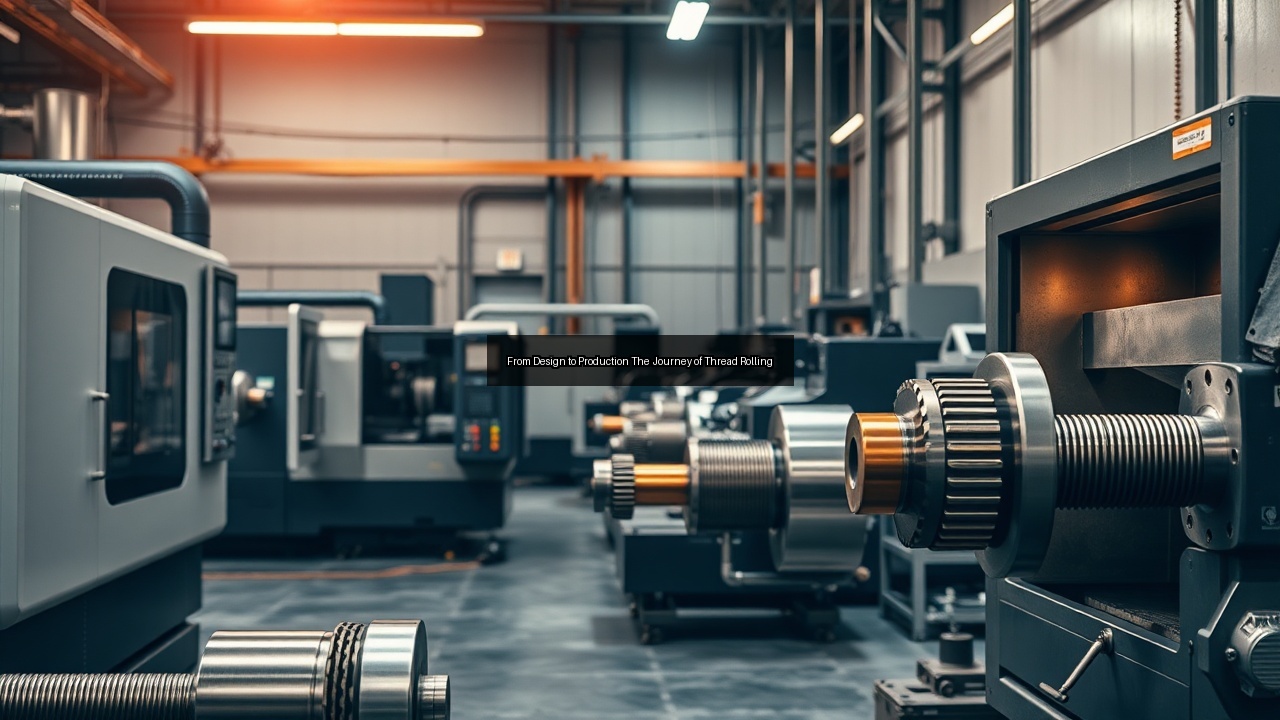
Thread rolling is a cold-forming process that produces threads by deforming the material instead of cutting it away, which distinguishes it from traditional machining techniques. This method employs specially designed dies to shape the metal, resulting in high-precision threads with a smooth surface finish. Unlike conventional methods like thread milling or grinding, thread rolling enhances the material's properties by minimizing waste and improving strength through work hardening. The process is suitable for a variety of metals, including steel, aluminum, and brass, making it a popular choice for manufacturers looking to create durable fasteners and components with intricate threading designs.
Key Benefits of Thread Rolling in Manufacturing
Thread rolling offers numerous advantages that make it an essential service in modern manufacturing. First, it significantly reduces material waste compared to machining processes, which often involve cutting away excess material. This reduction in waste not only lowers production costs but also promotes environmental sustainability. Second, the mechanical properties of the rolled threads are superior to those produced by cutting methods; the cold working process enhances tensile strength and fatigue resistance. Additionally, thread rolling allows for high production rates, making it possible to produce large volumes of fasteners and other threaded components quickly. The resulting threads also exhibit excellent dimensional accuracy and surface quality, which are crucial for applications requiring precise fit and function.
Industries Utilizing Thread Rolling Services
Various industries rely on thread rolling services to produce essential components for their operations. The aerospace sector, for instance, demands high-strength fasteners that can withstand extreme conditions and loads, making thread rolling an ideal choice. Similarly, the military and defense industries require robust and reliable threaded components for weapons systems and vehicles, where failure is not an option. The oil and gas industry also benefits from thread rolling, as it produces fittings and connectors that must endure high pressures and corrosive environments. Other sectors, such as automotive, construction, and electronics, utilize thread rolling services to manufacture components that meet strict regulatory and performance standards. The versatility of thread rolling makes it a critical process across these various fields.
The Thread Rolling Process: From Design to Production
Design Considerations for Thread Rolling
Designing a component for thread rolling involves several considerations that ensure the final product meets specifications. The initial step is selecting the appropriate material, as different metals respond differently to the rolling process. Factors such as tensile strength, ductility, and surface finish play a crucial role in material selection. Designers must also consider the dimensions and tolerances of the threads, as these directly impact the component's functionality and compatibility with mating parts. Additionally, the design should account for the rolling die configuration, which can influence the final thread profile. Proper design not only facilitates the rolling process but also ensures the integrity and performance of the finished component.
Machining Techniques in Thread Rolling
The thread rolling process employs various machining techniques to achieve the desired thread profile. A typical thread rolling setup involves using cylindrical or flat dies that apply pressure to the workpiece, forcing it into the shape of the threads. The dies are precisely machined to produce specific thread standards, such as Unified National Thread or metric threads. Depending on the complexity of the design, manufacturers can utilize multiple die sets to create different thread sizes and forms in a single operation. Additionally, integrating modern CNC (Computer Numerical Control) technology enhances the precision and repeatability of the thread rolling process, allowing for the production of intricate designs with minimal variation.
Quality Control in Thread Rolling Services
Quality control is paramount in thread rolling services to ensure that the produced threads meet stringent industry standards. Manufacturers implement rigorous inspection protocols throughout the production process, starting from the raw material stage to the final product. Techniques such as dimensional measurement, visual inspection, and surface roughness analysis are commonly used to assess the quality of the threads. Advanced methods like Eddy Current testing and ultrasonic testing can detect subsurface defects that may compromise the integrity of the threads. By adhering to these quality control measures, manufacturers guarantee that their threaded components are reliable, durable, and compliant with relevant specifications.
Applications of Thread Rolling in Various Industries
Thread Rolling in Aerospace Manufacturing
Aerospace manufacturing heavily utilizes thread rolling due to the high-performance requirements of its components. The aerospace industry demands fasteners and fittings that can withstand extreme temperatures, pressures, and environmental conditions. Thread rolling provides the strength and precision needed for critical applications such as engine assemblies, airframe structures, and landing gear. The smooth surface finish achieved through rolling reduces the risk of stress concentrations, which is vital in maintaining the integrity of aerospace components. As the industry continues to evolve, thread rolling remains a key process in the production of lightweight yet strong components that meet aviation standards.
Military and Defense Applications
In the military and defense sectors, the reliability of components is non-negotiable. Thread rolling services play a significant role in producing fasteners and other threaded parts that must endure harsh conditions and rigorous use. Components such as bolts, nuts, and screws used in weapon systems, vehicles, and aircraft benefit from the enhanced strength and durability that thread rolling provides. The precision of rolled threads ensures proper fit and function, which is critical for safety and performance in military applications. Manufacturers serving this sector often adhere to strict quality standards and regulations to deliver components that meet the demands of defense operations.
Oil and Gas Industry Requirements
The oil and gas industry relies on thread rolling services to create components that withstand high pressures and corrosive environments. Fittings, valves, and connectors used in drilling and production equipment must be robust and reliable to prevent leaks and failures. Thread rolling meets these requirements by producing high-strength threads that resist wear and corrosion. The cold-forming process involved in thread rolling enhances the material properties, making it suitable for the challenging conditions found in oil and gas operations. Manufacturers often focus on meeting industry-specific standards, ensuring that their threaded components perform optimally in demanding applications.
Advancements in Thread Rolling Technology
CNC and EDM in Modern Thread Rolling
Modern advancements in thread rolling technology, such as CNC (Computer Numerical Control) and EDM (Electrical Discharge Machining), have revolutionized the manufacturing process. CNC technology allows for precise control over the rolling process, enabling manufacturers to produce complex thread patterns with high accuracy and repeatability. This level of precision minimizes the risk of defects and reduces the need for post-processing. EDM complements thread rolling by providing an efficient method for creating intricate die geometries, enhancing the overall flexibility of the manufacturing process. Together, these technologies elevate the quality and efficiency of thread rolling services, meeting the demands of various industries and applications.
The Role of Swiss Screw Machining
Swiss screw machining plays a vital role in the realm of thread rolling, particularly for small, intricate parts. This technique allows for the production of complex components with high precision through a combination of turning and thread rolling processes. Swiss screw machines support continuous production, making them ideal for creating large quantities of fasteners and other threaded parts efficiently. The ability to integrate thread rolling into the Swiss machining process enhances the overall productivity and quality of the components produced. As manufacturers seek to optimize their production lines, the synergy between Swiss screw machining and thread rolling continues to grow, delivering high-performance products for various applications.
Future Trends in Thread Rolling Services
The future of thread rolling services looks promising, with emerging trends focusing on automation, sustainability, and advanced materials. Automation technologies streamline the production process, allowing for higher output with reduced labor costs. Incorporating sustainable practices, such as recycling scrap materials and energy-efficient machinery, aligns with the growing demand for environmentally friendly manufacturing. Additionally, the exploration of advanced materials, including composites and high-strength alloys, expands the possibilities for thread rolling applications. As industries continue to evolve, thread rolling services will adapt and innovate, ensuring they meet the ever-changing demands of the manufacturing landscape.
See Also
- From Aerospace to Oil and Gas Discover the Power of Thread Rolling
- The Role of Thread Rolling in Modern CNC Machining Processes
- The Art and Science of Thread Rolling for Metal Manufacturing
- Innovative Thread Rolling Solutions for the Military Sector
- The Impact of Thread Rolling on Machine Tool Efficiency