A Deep Dive into Barrel Gauges and Their Role in American Manufacturing
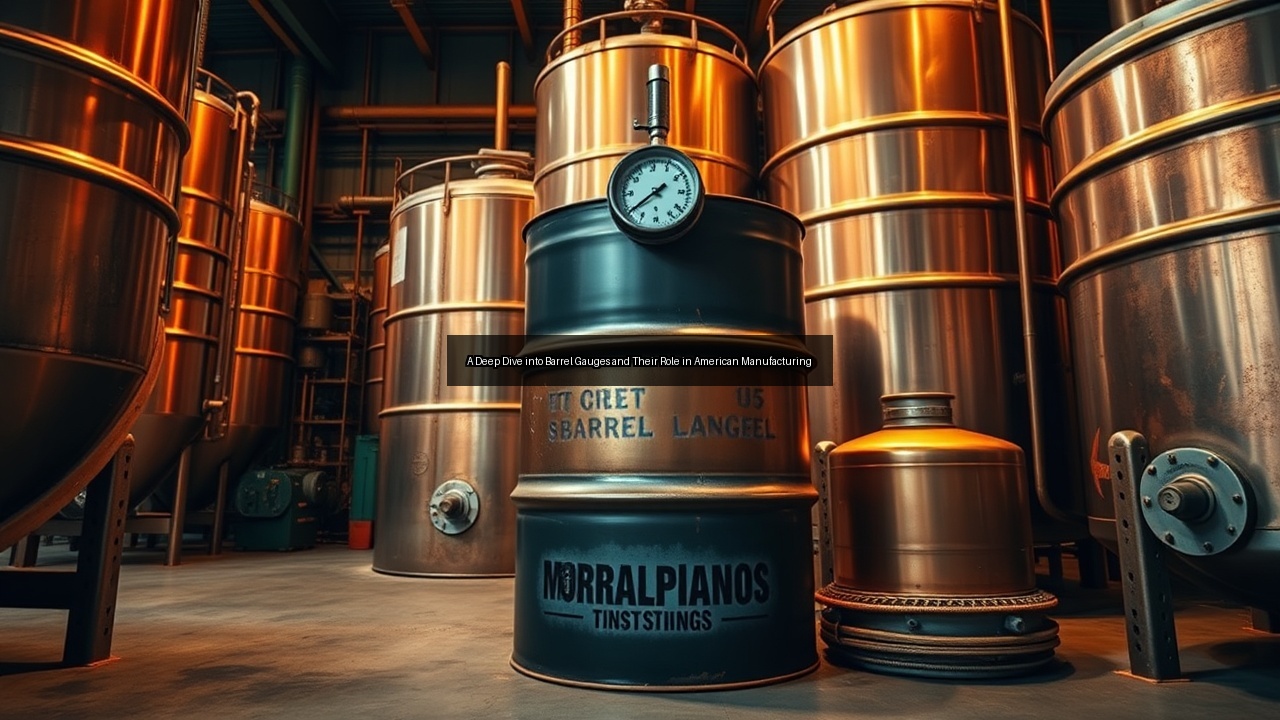
Understanding Barrel Gauges in American Manufacturing
The Importance of Accurate Measurements
Accurate measurements stand at the forefront of efficient manufacturing processes in the United States. In sectors where precision is non-negotiable, such as chemical production, pharmaceuticals, and food processing, the role of a barrel gauge becomes crucial. These gauges provide essential insights into the volume and level of liquids stored in barrels—especially in standard sizes like the 55-gallon drum. An inaccurate reading can lead to costly errors, affecting everything from compliance with safety regulations to the overall efficiency of production lines. Manufacturers rely on barrel gauges to maintain consistency in their output, ensuring that every batch meets specified quality standards. By facilitating precise measurements, barrel gauges help streamline operations, reduce waste, and optimize inventory management, ultimately enhancing profitability.
Types of Barrel Gauges Used in Industry
American manufacturing employs various types of barrel gauges, each catering to specific industrial needs. Mechanical gauges, such as float and dipstick gauges, offer simple, reliable measurements without requiring power. Float gauges use buoyancy principles, providing a visual indication of liquid levels. Dipstick gauges involve inserting a calibrated rod into the drum, offering quick readings. On the other hand, electronic gauges have gained popularity for their accuracy and ease of use. These digital barrel gauges often come equipped with advanced features, including data logging and connectivity options. Another noteworthy type includes ultrasonic gauges, which utilize sound waves to measure liquid levels. This method works effectively for various liquids, including corrosive substances, making it a versatile choice for many industries. Understanding the types of gauges available allows manufacturers to choose the right tool for their specific applications, enhancing performance and reliability.
Applications of Barrel Gauges
Measuring Liquids in 55 Gallon Drums
In many industrial settings, the 55-gallon drum serves as a standard for storing and transporting liquids. Barrel gauges play a pivotal role in ensuring accurate measurements of these drums, which contain everything from chemicals to oils. By using a barrel gauge, operators can monitor the liquid levels in real time, making it easier to manage inventory and reorder supplies as necessary. This capability is especially critical in sectors where liquid supply and demand fluctuate frequently. Precise measurement prevents overfilling or underfilling barrels, which can lead to spills or shortages. Moreover, maintaining accurate levels helps manufacturers adhere to safety standards, reducing the risk of accidents and ensuring compliance with regulatory requirements. Overall, the use of barrel gauges in 55-gallon drums significantly enhances operational efficiency and safety in American manufacturing.
Impact on Tank Measurements in Manufacturing
Barrel gauges extend their utility beyond individual drums to larger tanks commonly used in manufacturing processes. Tanks often store significant volumes of materials, making accurate measurement essential for effective operations. Whether dealing with liquid chemicals, fuels, or food products, the consequences of inaccurate tank measurements can be severe. Inaccurate readings can disrupt production schedules, leading to costly downtimes. Barrel gauges help mitigate these risks by providing reliable data on material levels, enabling manufacturers to maintain optimal inventory levels and production flow. Their role in preventing overflows or shortages cannot be overstated, especially in high-stakes environments. Proper measurement practices using barrel gauges contribute to operational excellence, reducing waste and enhancing overall productivity in manufacturing facilities across the United States.
Barrel Gauges in Material Handling
Material handling processes rely heavily on the accurate measurement of liquids contained in barrels and tanks. Barrel gauges facilitate this by providing precise data that guides the movement of materials throughout production lines. By utilizing these gauges, operators can determine when to transfer liquids from storage to processing areas, ensuring that workflows remain uninterrupted. This efficiency is particularly important in industries like beverage production, where timely material handling directly impacts production timelines and product quality. Effective material handling using barrel gauges also enhances safety protocols. Accurate measurements help prevent hazardous spills and accidents that could harm workers or damage equipment. Overall, incorporating barrel gauges into material handling processes increases productivity, reduces risks, and ensures a smoother operation in American manufacturing environments.
Advancements in Gauge Technology
Digital vs. Analog Gauges
The evolution of gauge technology has introduced significant advancements in both digital and analog barrel gauges. Analog gauges, with their traditional dial and needle designs, remain reliable for many applications, offering straightforward readings without the need for power. However, digital gauges have revolutionized the industry with their enhanced accuracy, ease of use, and advanced features. Digital barrel gauges often include backlit displays, enabling operators to read measurements in various lighting conditions. Additionally, they can provide real-time data logging, allowing for better tracking of inventory levels and usage patterns. Some advanced models even feature wireless connectivity, enabling remote monitoring and integration with manufacturing management systems. This shift towards digital technology has empowered manufacturers to adopt more precise measurement techniques, improving workflow efficiency and reducing human error.
Innovations in Barrel Gauge Design
Innovations in barrel gauge design have focused on improving accuracy, durability, and user-friendliness. Modern designs incorporate materials resistant to corrosion, ensuring longevity when exposed to harsh substances. Some manufacturers have developed gauges that can withstand extreme temperatures and pressures, making them suitable for specialized applications. Ergonomic designs also play a crucial role in enhancing usability, allowing operators to take readings quickly and safely. Furthermore, advancements in sensor technology have led to the development of smart barrel gauges equipped with features like automatic calibration and alerts for low levels or potential leaks. These innovations not only enhance the accuracy of measurements but also contribute to safer working environments by reducing the likelihood of human error and equipment failure. As American manufacturing continues to evolve, barrel gauge technology will undoubtedly keep pace, further optimizing measurement practices across various industries.
Challenges and Best Practices
Common Issues with Barrel Gauges
Despite their critical role, barrel gauges can face several challenges that impact their performance. One common issue arises from improper calibration. If a gauge is not calibrated correctly, it can yield inaccurate measurements, leading to significant operational consequences. Environmental factors, such as temperature fluctuations, can also affect gauge readings, particularly in analog models. Additionally, wear and tear from regular use may compromise the integrity of the gauge, necessitating regular inspections and maintenance. Operators may also encounter user-related issues, such as misreading the measurements or failing to account for liquid properties that influence level readings. Recognizing these challenges is essential for manufacturers aiming to maintain efficiency and accuracy in their processes. By understanding the common pitfalls associated with barrel gauges, companies can implement strategies to mitigate these risks effectively.
Maintenance Tips for Accurate Measurements
Regular maintenance is vital for ensuring the accuracy and reliability of barrel gauges. Start with routine inspections to check for signs of wear or damage. Cleaning the gauge regularly helps prevent buildup of residues that may interfere with readings. Calibration should occur at predetermined intervals or whenever the gauge experiences significant environmental changes. Manufacturers should document all maintenance activities to establish a history for each gauge, aiding in tracking performance over time. Educating employees on proper usage techniques is equally important; staff should receive training on how to read gauges accurately and recognize when they may need recalibration or repair. By establishing a culture of proactive maintenance and training, manufacturers can enhance the reliability of their barrel gauges, ultimately leading to improved operational efficiency and safety.